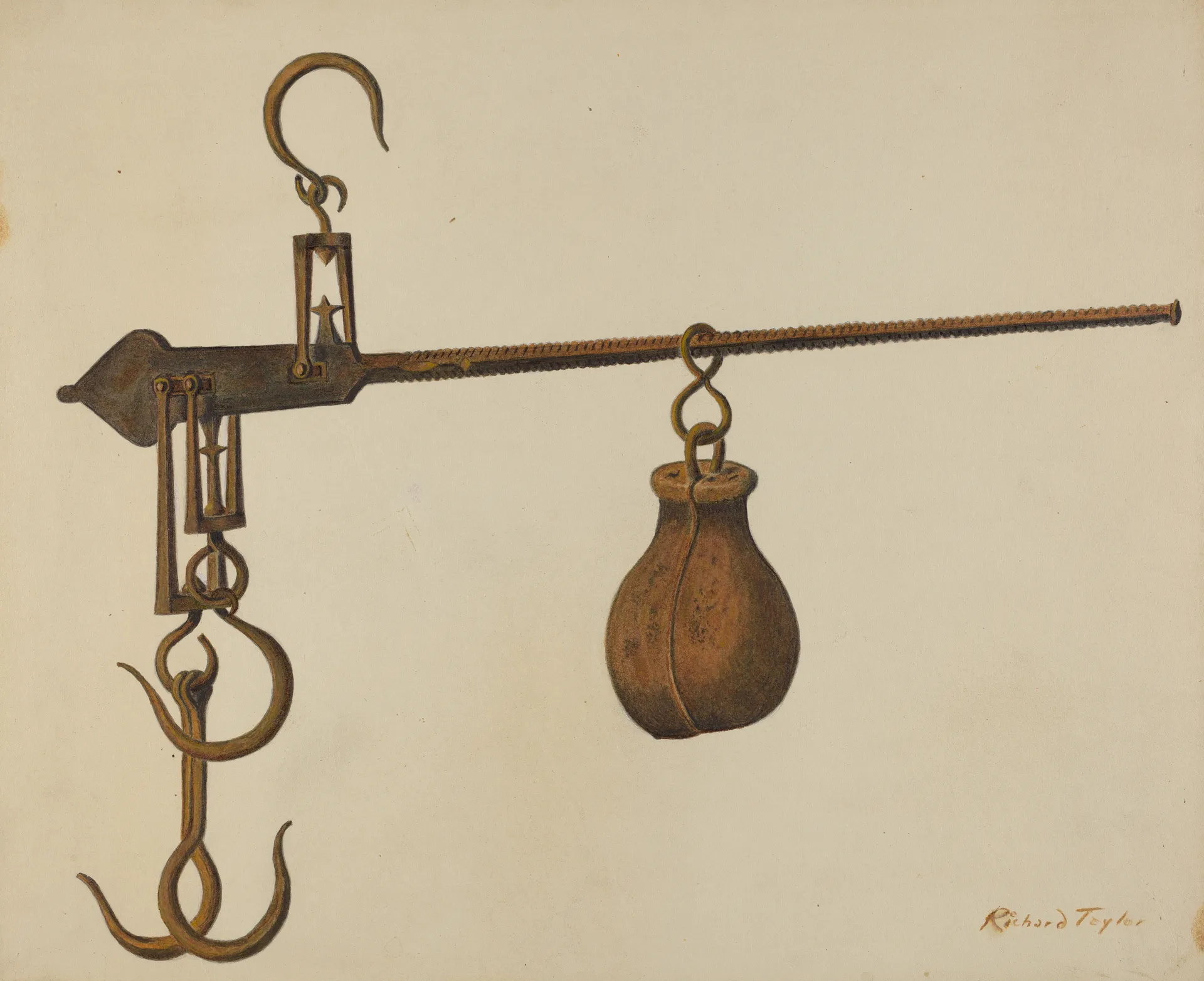
Weighing scale
Weighing scale
Weight that changes without you trying - in either direction - is a symptom worth catching.

Wellness
Both directions, handled with food and exercise rather than shortcuts.
Both directions are handled here, because both are real problems and the industry only ever talks about one of them.
The arithmetic is simple and the execution is not. What actually distinguishes people who keep weight off is not which diet they chose but whether they could live with it. A plan you abandon in March has a smaller effect than a modest one you keep all year.
What helps: protein at each meal, which keeps you full. Cooking at home, which is where portion control actually happens. Reducing liquid calories, which are the easiest large saving most people can make. Walking, which is worth more for weight maintenance than for weight loss but matters enormously for keeping it off. Sleep, because short sleep drives appetite.
Being underweight carries real risks - weaker immunity, poorer bone density, slower recovery - and gets far less sympathy than it deserves. Gaining well means adding energy-dense, nutritious food rather than junk: nuts, seeds, nut butters, full-fat dairy, bananas, ghee in reasonable quantity, and more frequent meals rather than larger ones. Resistance training helps ensure the gain is muscle rather than only fat.
Weight that changes substantially without you trying - in either direction - is a symptom. Thyroid disease, diabetes, coeliac disease and several other conditions announce themselves this way.
Weight that changes without you trying - in either direction - is a symptom worth catching.
Picked to go with what you have just read. We only list ordinary, widely available things.