Palak and beet: bones, blood and a smooth digestive day
Two vegetables that do specific, useful jobs - and one caution worth knowing about both.
Palak (spinach)
Palak carries calcium, iron, vitamin K and folate. Vitamin K in particular matters for bone health, working alongside calcium rather than in place of it, which is why palak has a long reputation as a food for strong bones and teeth.
It is also gentle on digestion. Palak carries fibre and a good deal of water, and it moves through comfortably - useful when the diet has been heavy on tough, dry or fried food and the stomach feels congested.
Beet
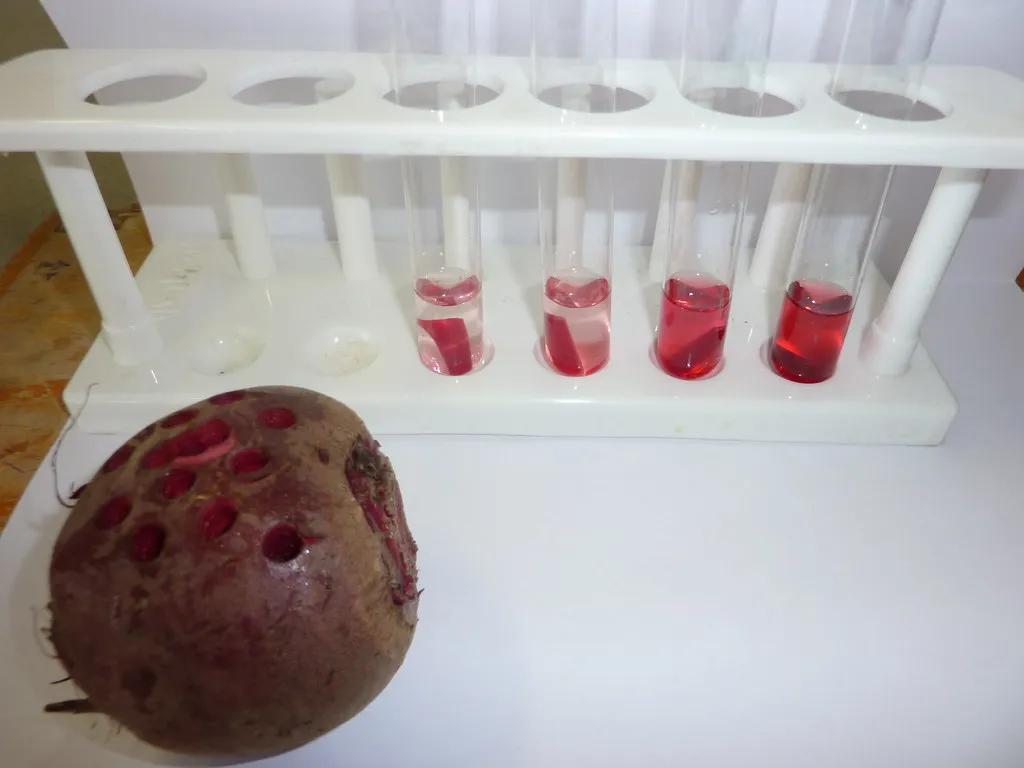
Beetroot brings folate, manganese and dietary nitrates. Those nitrates are the reason beet juice has been studied in athletes: they relax blood vessels and can modestly improve blood flow. It is also one of the better vegetables for making a meal look like something.
Beet will colour your urine and stool red for a day. This is harmless and catches people out every time.
The caution for both
Palak and beet are both high in oxalates. For most people this matters not at all. For anyone with a history of kidney stones it genuinely does, and is worth raising with a doctor before either becomes a daily habit.