Good night sleep: seven hours, and how to get them
Sleep is not the reward for a finished day. It is the thing that makes the next one possible.
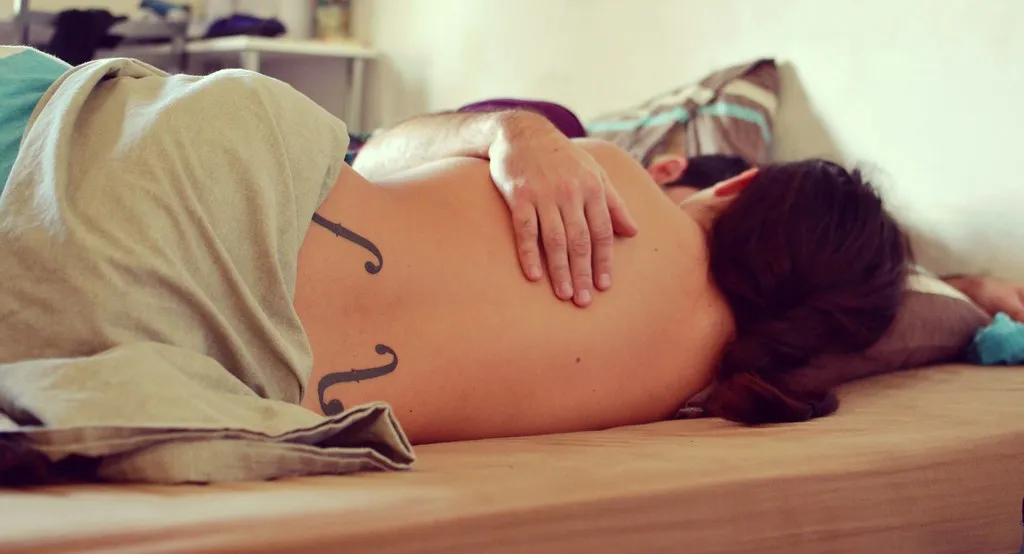
Sleep is treated as what is left over once everything else is done. It is closer to the opposite: the process that makes everything else workable.
What happens while you sleep
Tissue repairs. Memory consolidates - what you learned in the day is filed overnight. The immune system does much of its work. Appetite hormones reset, which is why short sleep reliably produces hunger and poor food decisions the following day.
The things that actually help
A fixed wake time, including weekends. This anchors the body clock more effectively than a fixed bedtime does.
Morning light, early. It sets the timer that decides when you will feel sleepy roughly sixteen hours later.
A cool, dark, quiet room. Temperature matters more than people expect - the body needs to drop a degree to fall asleep, and a hot room fights that.
No caffeine after mid-afternoon. Caffeine has a half-life of five to six hours; an evening tea is still measurably present at midnight.
Screens away before bed. Less for the blue light than for what is on them - a mind that has just been engaged does not power down on request.
Alcohol is not a sleep aid
It shortens the time to fall asleep and wrecks the quality of what follows, particularly in the second half of the night. Sleep after drinking is shallower and more broken, which is why it does not leave you rested.
When to get help
Insomnia lasting more than a few weeks, loud snoring with daytime exhaustion, or gasping and pauses in breathing at night are medical matters. Sleep apnoea in particular is common, frequently missed, and very treatable once identified.