Water filter jug
Water filter jug
Water-borne illness rises sharply when drainage is overwhelmed.
Healthy Environment
Damp, infection and the monsoon kitchen.
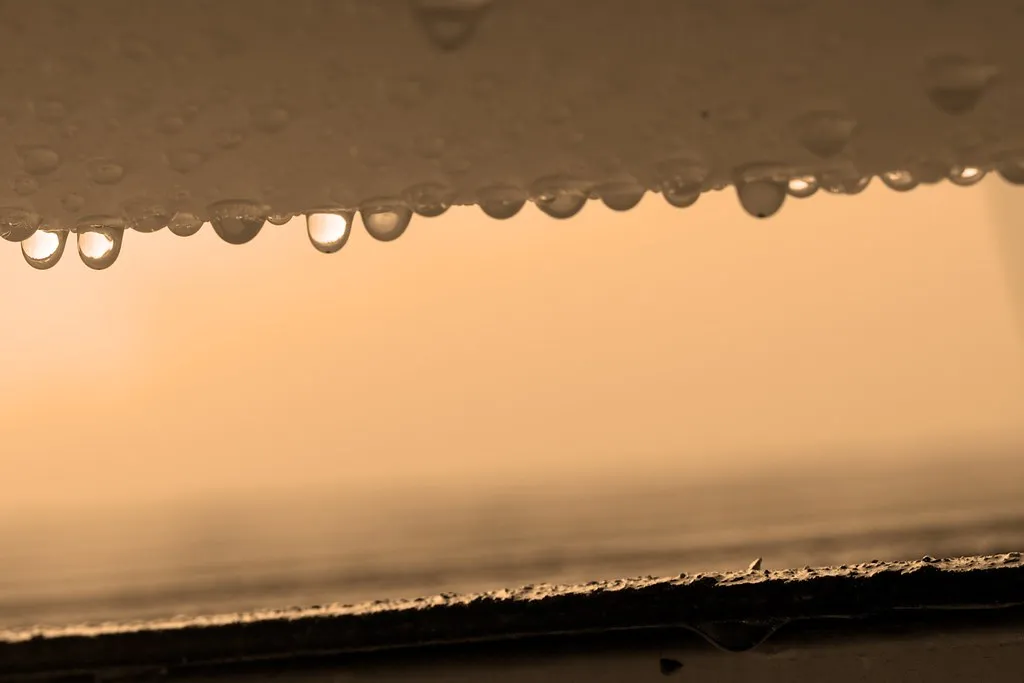
The monsoon is a relief and a public health event at the same time. Nearly all of its risks are avoidable with a small amount of attention.
Dengue, malaria and chikungunya all peak now. Dengue mosquitoes breed in clean standing water and bite during the day - so the coolers, plant trays, tyres, buckets and blocked drains around your own home are the actual battleground. Empty and scrub water containers weekly; changing the water is not enough, because the eggs stick to the sides.
See a doctor urgently for high fever with severe body ache, and especially for bleeding gums, a rash, severe abdominal pain, persistent vomiting or lethargy after a fever begins to settle - that combination is the dangerous phase of dengue.
Typhoid, cholera, hepatitis A and gastroenteritis all rise when drainage is overwhelmed. Drink boiled or properly filtered water. Be cautious with cut fruit, salads and ice from outside. Eat food that is freshly and thoroughly cooked and served hot.
The most productive dengue breeding site in any Indian city is a household water container that somebody tops up rather than empties.
Damp shoes and prolonged wet skin cause fungal infections in feet and skin folds. Dry thoroughly, change out of wet footwear, and treat early - established fungal infection is stubborn and increasingly resistant in India.
Do not walk through floodwater where you can avoid it. Leptospirosis enters through cuts and grazes and can be serious, and open drains are genuinely dangerous.
Water-borne illness rises sharply when drainage is overwhelmed.
Dengue, malaria and chikungunya all peak in the monsoon.
Picked to go with what you have just read. We only list ordinary, widely available things.