Vitamin B12 supplement
Vitamin B12 supplement
B12 is essentially absent from plant food. This is the one gap Indian vegetarian cooking cannot close on its own.
Healthy World
Eating well without animal products, and covering the gaps properly.
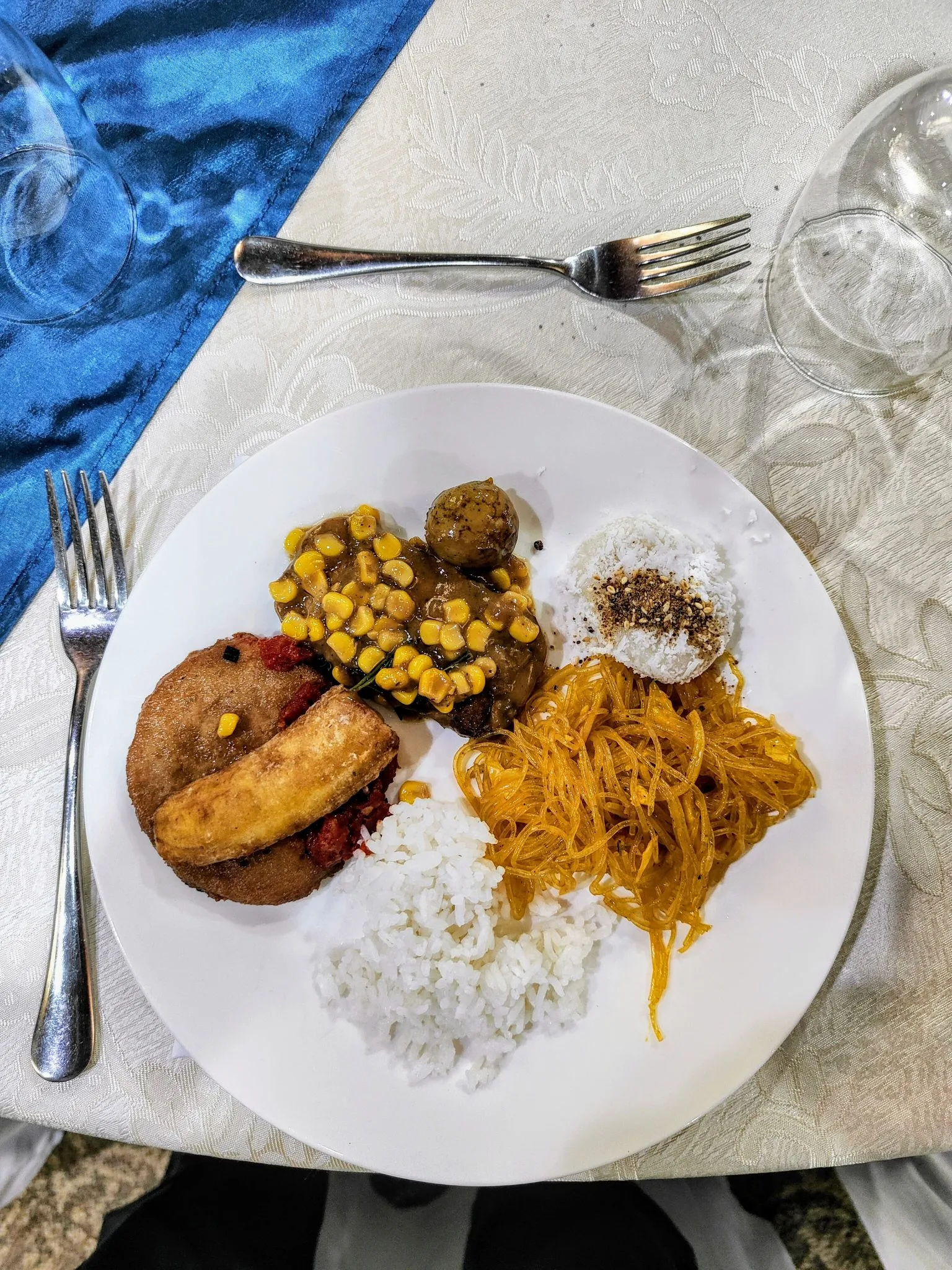
A well-planned vegan or vegetarian diet is entirely capable of supporting good health at every stage of life. The word doing the work in that sentence is "well-planned" - there are a few specific gaps, and they are easy to cover once you know what they are.
Vitamin B12. This is not optional and it cannot be argued with. B12 is essentially absent from plant foods, deficiency is common among long-term Indian vegetarians, and the damage to nerves can become permanent. Take a supplement or eat fortified food, and have your level checked.
Iron. Plant iron is absorbed less readily. Pair it with vitamin C - lemon over the dal, tomato in the sabzi - and avoid tea and coffee with meals, which block absorption substantially.
Vitamin D. Sunlight, and a supplement if you are indoors most of the day.
Omega-3. Flaxseed, chia and walnuts supply the plant form; an algae-based supplement covers the rest.
Indian vegetarian cooking is among the best in the world at this. The one thing tradition cannot supply is B12.
Protein, mostly - dal, rajma, chana, soya, paneer and curd cover it comfortably. Fibre, which vegetarians almost always get plenty of. And calcium, provided dairy or ragi and sesame are in the diet.
B12 is essentially absent from plant food. This is the one gap Indian vegetarian cooking cannot close on its own.
The plant form of omega-3, which vegetarian diets are most often short of.
Picked to go with what you have just read. We only list ordinary, widely available things.